July 2, 2026
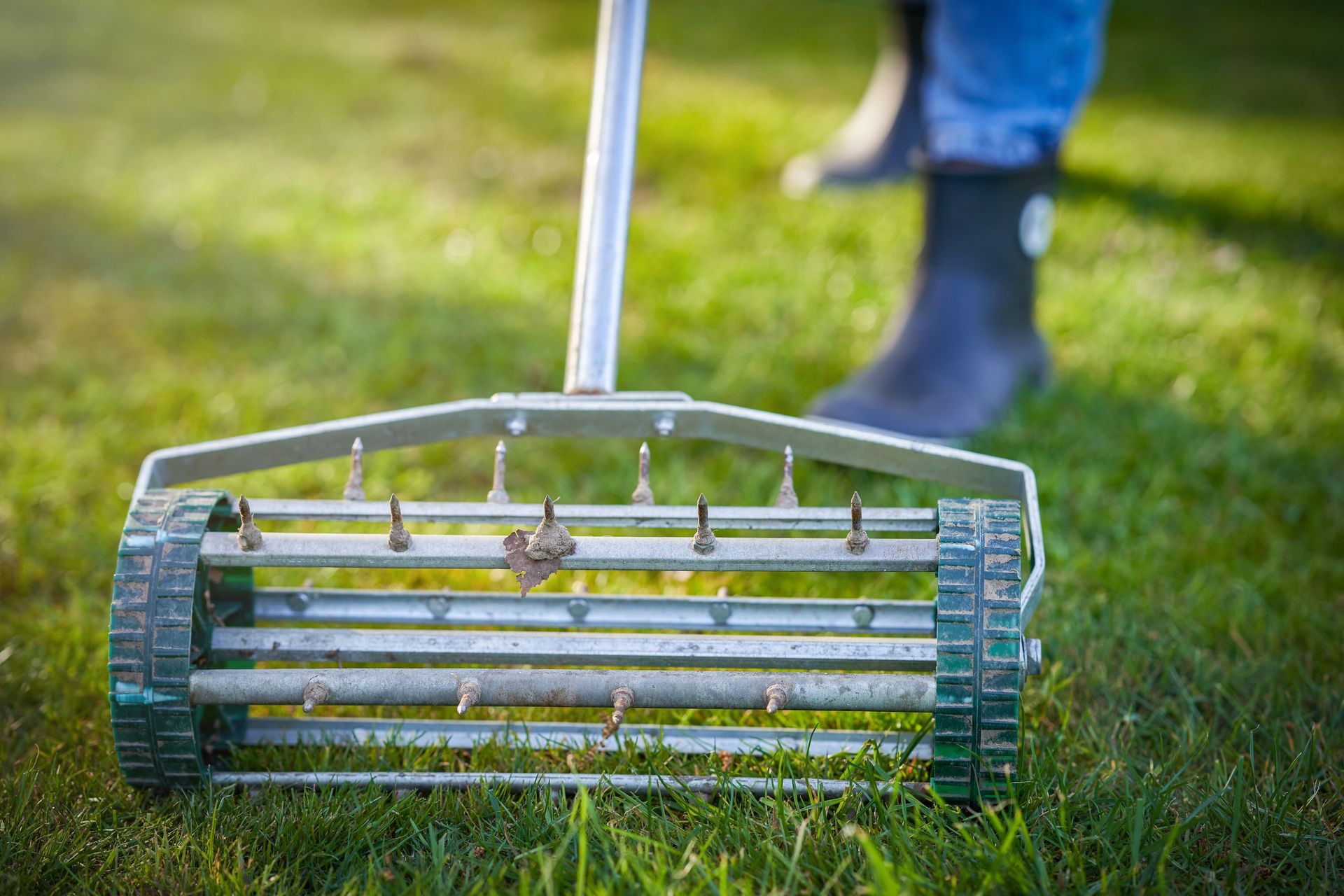
The process of maintaining a beautiful and healthy property begins beneath the surface, where the intricate relationship between soil quality and root development dictates the vitality of your lawn. Over time, factors such as foot traffic, lawn equipment, and seasonal weather changes lead to soil compaction, which compresses the ground and eliminates the tiny pockets of air required for grass to thrive. When compaction occurs, water and crucial nutrients remain trapped on the surface rather than penetrating deeply into the root zone, leaving the grass weak, patchy, and susceptible to disease. Utilizing aeration services counteracts this degradation by systematically opening the soil structure, allowing the entire lawn ecosystem to breathe and function at its peak capability.
By investing in regular maintenance for your soil, you establish a resilient framework that handles environmental stress with ease. The physical act of removing small cores or introducing microscopic pathways into the earth creates immediate relief from compression, allowing vital elements to circulate freely. This introductory care is essential for transforming hard, unyielding ground into a rich and porous environment that fosters dense, vibrant turf. Understanding the science behind this process reveals how mechanical intervention translates directly into long-term landscape health, setting the stage for sustainable growth and minimizing the need for heavy chemical corrections throughout the changing seasons.
Alleviating Soil Compaction
Compacting particles together represents one of the greatest hidden threats to a thriving lawn, as it slowly chokes off the subterranean pathways necessary for survival. When heavy soil layers press tightly against each other, the space reserved for oxygen and moisture disappears, creating an impenetrable barrier for developing root systems. This restrictive environment forces roots to stay shallow, making the grass highly vulnerable to summer heat and winter freezes. By integrating professional aeration services into your annual maintenance schedule, you can effectively break apart these hardened layers and give the underground ecosystem the room it desperately needs to recover and expand.
The relief provided by reducing this compaction has a cascading effect on the overall health of the property. Once the ground is loosened, water can migrate easily into the deeper strata instead of pooling on the surface or running off into local storm drains, which drastically improves overall moisture retention. This physical transformation also allows for a renewed exchange of gases between the atmosphere and the soil, injecting fresh oxygen into areas that were previously suffocated. By addressing the root cause of compaction directly, your property undergoes a structural shift that supports more vigorous growth and allows the entire lawn to absorb natural resources with minimal resistance.
Cultivating Beneficial Microorganisms
A vibrant lawn relies heavily on an invisible network of bacteria, fungi, and protozoa that actively break down organic matter and recycle vital nutrients. These microscopic organisms require a steady supply of oxygen and moisture to perform their essential functions, both of which become scarce in compacted, neglected earth. When the ground is closed off, beneficial aerobic microbes decline, allowing anaerobic pathogens to take over, which often leads to root diseases and thatch accumulation. Scheduling regular aeration services introduces a fresh supply of oxygen into the upper soil layers, creating an optimal environment where helpful microbes can multiply rapidly and resume their natural decomposition work.
As these beneficial microbial populations recover, they accelerate the breakdown of thatch, which is the layer of dead grass, roots, and debris that accumulates on the surface of the soil. A controlled microbial population transforms this debris into rich organic matter, naturally feeding the root zone and improving the overall texture of the ground. This natural nutrient cycling process means your grass receives a steady stream of bioavailable elements without relying solely on artificial inputs. Cultivating a diverse and active microbial ecosystem through mechanical shifting creates a self-sustaining foundation that keeps the lawn naturally resilient and well-nourished.
Maximizing Resource Absorption
Even the highest quality fertilizers and abundant watering schedules will fail to produce results if the underlying ground cannot absorb them. In compacted lawns, expensive nutrients simply sit on top of the soil or wash away with the rain, leading to wasted resources and potential environmental runoff. Implementing aeration services creates direct channels through the thatch layer and deep into the dirt, ensuring that every drop of water and application of fertilizer reaches the target destination.
Enhanced absorption capabilities mean that the grass becomes significantly more efficient at processing nutrients like nitrogen, phosphorus, and potassium. This increased efficiency translates into a deeper green color and a noticeable boost in turf density, creating a lush carpet that naturally crowds out opportunistic weeds. Landscapes that incorporate healthy vegetation contribute positively to the ecological balance, providing oxygen, improving air quality, and supporting wildlife. Furthermore, a healthy, green lawn enhances property aesthetics, a major drive for over 78% of homeowners who engage in lawn care, according to GItnux.
Mitigating Disease Vulnerability
Stagnant water and poor airflow create the ideal breeding ground for destructive fungal diseases and turf pests. When a lawn suffers from compaction, surface moisture lingers for extended periods, weakening the grass blades and providing a damp environment where fungal spores can germinate and spread. Furthermore, weak and stressed grass lacks the natural defenses required to fend off insect infestations, leaving the property vulnerable to severe, widespread damage. Utilizing professional aeration services assists in regulating moisture levels across the entire property, ensuring that excess water drains away quickly and the surface dries thoroughly after rain or irrigation.
By eliminating these damp, anaerobic conditions, you effectively disrupt the life cycles of many common lawn pathogens and pests. The influx of fresh air dries out the thatch layer where many harmful insects lay their eggs, reducing pest populations naturally without requiring harsh chemical applications. At the same time, the grass gains access to the oxygen and nutrients needed to build strong cell walls, boosting its natural immunity against infections. Preventing disease through improved structural drainage ensures that your grass remains robust, requiring fewer corrective treatments and maintaining its visual appeal throughout the year.
Boosting Long-Term Resilience
The ultimate goal of comprehensive lawn care is to build a landscape that can withstand environmental fluctuations, from scorching summer droughts to heavy torrential downpours. A lawn with a shallow root system and compacted soil will quickly turn brown and dormant at the first sign of heat stress, requiring massive amounts of water to keep alive. Regular aeration services encourage roots to push deep into the earth, where moisture remains available even during dry spells, building a highly resilient root architecture. This deep-rooted network anchors the turf securely, providing the strength needed to recover from heavy foot traffic, pet activity, and extreme weather events.
This long-term structural durability reduces the overall maintenance burden of your property over time, as a self-sufficient lawn requires less intensive management to look its best. When the grass possesses a deep, dense root system, it can draw upon deep water reserves, helping you maintain a green appearance with less frequent watering. The structural improvements gained from consistent mechanical care compound year after year, transforming fragile turf into a permanent, hardy feature of your landscape.
Prioritizing the structural health of your soil is the most effective way to secure a vibrant, long-lasting landscape that enhances both the aesthetic and ecological value of your property. Mechanical intervention breaks the destructive cycle of compaction, breathing new life into the root zone and unlocking the full potential of your lawn care routine. By facilitating better airflow, water infiltration, and nutrient distribution, you establish an environment where grass can grow deeply, stand densely, and resist common diseases naturally. Taking a proactive stance on soil structure eliminates the frustration of patchy growth and wasted treatments, replacing them with reliable, sustainable results. Partnering with experienced professionals allows you to enjoy a lush, thick carpet of green grass without the guesswork. To transform your lawn from the roots up and secure a healthier, more resilient landscape, contact Pristine Turf & Pest today to schedule seasonal
aeration services for your lawn.