April 2, 2026
A lush, green lawn is a source of pride for many homeowners, but achieving and maintaining that appearance requires more than occasional attention. In fact, many common lawn care habits can unintentionally damage your grass rather than improve it. According to Workyard.com, 80% of U.S. households now engage in gardening or lawn care activities, which means millions of people may be making similar mistakes without realizing it. Understanding where things go wrong is the first step toward correcting them. By identifying and avoiding these common lawn care errors, you can protect your grass and create a healthier, more resilient yard.
Avoiding Improper Mowing Techniques
One of the most frequent lawn care mistakes begins with how the grass is cut. Cutting too much of the blade at once places stress on the plant, limiting its ability to photosynthesize effectively. This can lead to weakened grass that struggles to recover, especially during warmer months.
Maintaining the correct mowing height is essential for healthy growth. Different grass types require different lengths, but a general rule is to never remove more than one-third of the blade at a time. Proper mowing practices support stronger roots and help your lawn compete against weeds, making this a fundamental part of effective lawn care.
Maintaining Sharp Mower Blades
Using dull mower blades can cause more damage than many homeowners realize. Instead of making clean cuts, dull blades tear the grass, leaving jagged edges that are prone to browning and disease. This not only affects the whole appearance of your lawn but also its overall health.
Regularly sharpening mower blades ensures a clean cut, which promotes faster healing and reduces stress on the grass. Incorporating blade maintenance into your lawn care routine can significantly improve the condition of your yard over time. It is a simple step that delivers noticeable results.
Managing Consistent Mowing Schedules
Inconsistent mowing habits can disrupt the natural growth cycle of your lawn. Allowing grass to grow too long before cutting it back can shock the plant, while mowing too frequently can weaken it. Both extremes can lead to uneven growth and reduced resilience.
Establishing a regular mowing schedule helps maintain balance. During peak growing seasons, weekly mowing is often sufficient, while slower growth periods may require less frequent attention. Consistency in lawn care practices supports steady development and a more uniform appearance.
Changing Mowing Patterns Regularly
Repeating the same mowing pattern every time can lead to soil compaction and visible track marks. Over time, this restricts root growth and creates uneven areas within the lawn. Grass may begin to lean in one direction, resulting in an inconsistent look.
Switching up mowing directions encourages upright growth and reduces stress on specific areas. This simple adjustment enhances both the health and appearance of your lawn. As part of a comprehensive lawn care strategy, varying patterns can make a significant difference in long-term results.
Adjusting for Different Lawn Conditions
Not all areas of your yard receive the same amount of sunlight, water, or foot traffic. Treating the entire lawn the same can lead to patchy growth and inconsistent health. Some sections may thrive while others struggle due to differing conditions.
Adapting your lawn care approach to these variations ensures that each area receives the attention it needs. For example, shaded regions may benefit from slightly longer grass, while high-traffic areas may require additional care. Recognizing and responding to these differences promotes a more balanced and healthy lawn.
Preventing Overwatering and Water Waste
Water is essential for grass growth, but too much of it can create serious problems. Overwatering leads to shallow root systems, making the lawn more vulnerable to drought and disease. Excess moisture can also encourage fungal growth and attract pests.
A well-planned watering schedule is key to effective lawn care. Deep, infrequent watering encourages roots to grow deeper, improving overall resilience. Monitoring weather conditions and adjusting accordingly helps prevent unnecessary water use and supports healthier grass.
Addressing Underwatering During Dry Periods
On the opposite end of the spectrum, insufficient watering can cause visible stress. Grass may turn brown, wilt, or develop dry patches when it does not receive enough moisture. This is especially common during hot or dry seasons.
Providing adequate hydration during these periods is essential for maintaining lawn health. Deep watering sessions ensure that moisture reaches the root zone, supporting sustained growth. Balancing watering practices is a critical aspect of successful lawn care.
Timing Watering for Maximum Effectiveness
The time of day when you water your lawn can significantly impact its effectiveness. Watering during the heat of the day often results in rapid evaporation, reducing the amount of moisture that reaches the soil. Evening watering, while convenient, can leave grass damp overnight and increase the risk of disease.
Early morning watering is generally the most effective approach. It allows moisture to penetrate the soil before temperatures rise, while giving the grass time to dry throughout the day. Proper timing enhances the efficiency of your lawn care efforts and minimizes potential issues.
Improving Soil Drainage and Structure
Poor soil drainage can lead to waterlogged conditions that suffocate roots and promote decay. Compacted or clay-heavy soils often struggle to drain properly, creating an unhealthy environment for grass growth.
Improving soil structure through aeration and the addition of organic matter can enhance drainage. These practices allow water and nutrients to reach the roots more effectively. Addressing soil issues is a foundational step in maintaining a thriving lawn care routine.
Monitoring Soil Health and Nutrient Levels
Healthy soil is the backbone of any successful lawn care plan. Without proper nutrients, grass cannot grow to its full potential. Many homeowners overlook soil testing, which provides valuable insights into nutrient levels and pH balance.
By understanding your soil’s condition, you can apply targeted treatments that address specific deficiencies. This informed approach leads to stronger, more vibrant grass. Regular monitoring ensures that your lawn care efforts are both effective and efficient.
Correcting Fertilization Mistakes
Fertilization is a critical component of lawn care, but improper application can do more harm than good. Applying too much fertilizer can burn the grass, while insufficient amounts may fail to provide the necessary nutrients.
Following recommended guidelines and using the appropriate products for your lawn type helps maintain balance. Timing is also important, as fertilizing during the wrong season can lead to poor results. A thoughtful approach to fertilization supports steady growth and long-term health.
Reducing Soil Compaction from Traffic
Frequent foot traffic or heavy equipment can compact the soil, limiting the flow of air, water, and nutrients. Compacted soil restricts root development, making grass more susceptible to stress and damage.
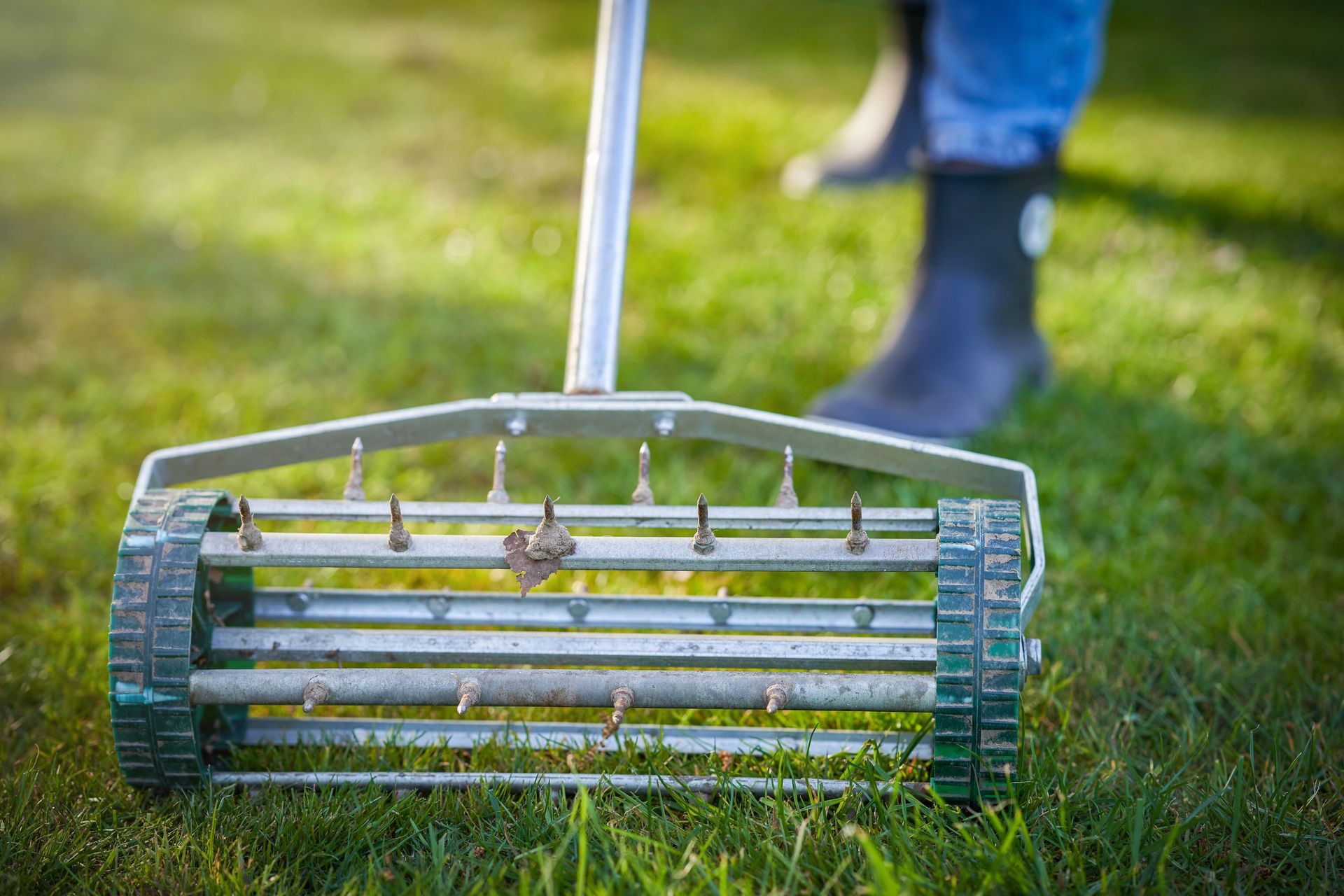
Aeration is an effective solution for relieving compaction and restoring soil health. By creating small openings in the soil, aeration improves circulation and encourages deeper root growth. Incorporating this practice into your lawn care routine can significantly enhance the resilience of your grass.
Maintaining a healthy lawn requires more than routine upkeep—it demands an understanding of the common mistakes that can undermine your efforts. From improper mowing and watering to neglecting soil health, each misstep can have lasting effects on your grass. With so many households actively participating in lawn care, recognizing these pitfalls is more important than ever. By adopting better practices and making informed decisions, you can avoid these common errors and create a lawn that is both vibrant and durable. Consistent, thoughtful lawn care not only improves the appearance of your yard but also ensures its long-term success. If you are looking for a reliable lawn care crew in the Dayton, OH area, contact the professionals at Pristine Turf & Pest today.